


The Future of Sustainable Agriculture
The Future of Sustainable Agriculture
Agriculture is at the heart of human survival, yet conventional farming faces challenges such as soil degradation, water scarcity, and environmental pollution. As the world moves toward sustainable solutions, two innovative approaches are gaining global attention: organic farming and hydroponics. Both systems aim to reduce environmental impact, improve food quality, and ensure food security
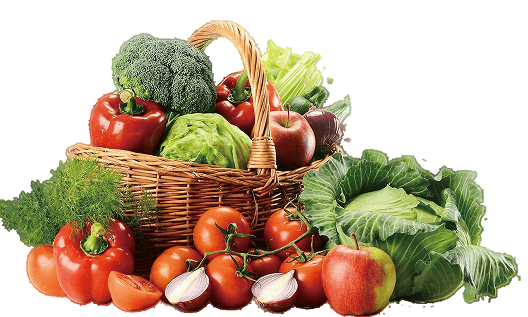
This article explores the benefits, challenges, and future of organic farming and hydroponics, with a special focus on how they complement each other in building sustainable agriculture.
Organic farming is a method of agriculture that relies on natural processes and avoids synthetic fertilizers, pesticides, genetically modified organisms (GMOs), and growth hormones. The goal is to maintain long-term soil fertility, protect biodiversity, and produce healthier food.
Hydroponics is a soilless farming system where plants grow in nutrient-rich water instead of soil. It uses inert media like cocopeat or rockwool to support roots. Hydroponics is popular for saving water, maximizing yields, and enabling urban farming
High initial investment, technical knowledge required, and dependency on energy in some systems.
Organic farming focuses on soil health and biodiversity, while hydroponics optimizes water and space. Combining both, known as organic hydroponics or bioponics, is an emerging field using organic nutrient solutions instead of synthetic ones.
Organic Farming and Hydroponics in Egypt
Egypt’s challenges of water scarcity and desertification make both systems essential. Organic farming reduces chemical dependency and supports exports, while hydroponics offers efficient vegetable production in cities and deserts. Startups and research centers are already promoting both as part of Egypt’s agricultural strategy.
Organic farming is not a one-size-fits-all method; it includes different approaches depending on the resources available, climate, and market demand. The most common forms include:
A comprehensive approach that maintains soil fertility and lowers the need for outside inputs by integrating crops, animals, and farm waste recycling (such as composting).
A more stringent version that exclusively uses biological control techniques, bio-pesticides, and natural fertilizers, avoiding any chemical inputs.
Popular in urban areas with little space. Organic hydroponics, vertical farming, and rooftop gardens are frequently included.
A modern approach where plants are grown in soilless growing media (soilless substrates) such as cocopeat, perlite, or rockwool, combined with organic nutrient solutions. This method maintains the principles of organic farming (avoiding synthetic chemicals) while saving water and maximizing yields.
Advantages: Uses less water, suitable for arid regions, and supports year-round production.
Challenge: Organic certification for hydroponics is still debated in some regions, but demand for eco-friendly soilless systems is growing rapidly.
Organic farming ensures soil health and biodiversity, while hydroponics provides efficient, high-yield, and water-saving production. Together, they form the future of sustainable agriculture, especially in Egypt.

GROWWE is dedicated to producing high-quality agricultural products from rich natural resources. GROWWE provides sustainable eco-friendly solutions developed with British technology by a license from Scaletek UK.
© 2025 GROWWE. All rights reserved.


