


Types, Benefits, and Best Practices
Types, Benefits, and Best Practices
Mulching is one of the most effective and widely used agricultural techniques for improving soil health, water conservation, and boosting crop yields. By covering the soil with organic or inorganic materials, mulching helps farmers protect crops, save resources, and enhance sustainability. The forms of mulching, their advantages and disadvantages, and their place in contemporary agriculture—including its use in soilless growing methods and organic farming—are all covered in this article.
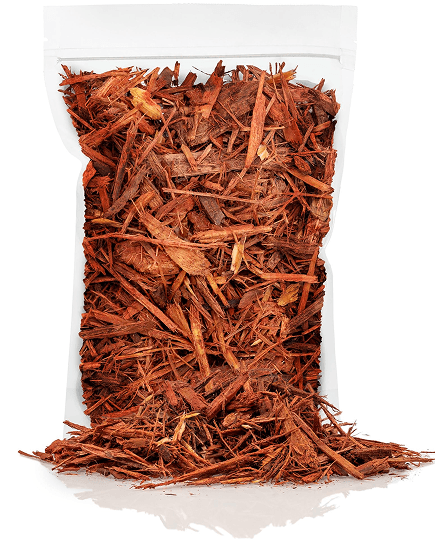
Mulch is a layer of material applied to the surface of soil, primarily used in gardening. While mulching in agriculture is the practice of covering the soil surface around plants. Mulch can be made from different materials such as coconut, straw, compost, plastic films, or crop residues. The main purpose is to protect the soil, retain moisture, regulate temperature, and improve crop performance.
In organic farming, mulching is essential because it:
Although mulching is traditionally linked to soil-based farming, it can also be applied in soilless systems:
Made from organic materials that break down over time.
Examples: Straw, hay, wood chips, compost, leaves, crop waste, and manure are a few examples.
Advantages: Benefits include increased microbial activity, improved soil fertility, and environmental friendliness.
Disadvantages: Requires frequent refilling and, if left unchecked, may draw pests.
Made from synthetic or non-decomposable materials.
Disadvantages: Requires frequent refilling and, if left unchecked, may draw pests.
Examples: Pebbles, gravel, plastic sheets, and landscape cloth.
Advantages: Long-lasting, highly effective for weed control and moisture retention.
Mulching is a powerful agricultural practice that improves soil health, conserves water, and boosts crop yields. With different types—organic, inorganic, and living—mulching can be tailored to crop and climate needs. Its role in organic farming and even in soilless systems makes it a key strategy for sustainable agriculture.

GROWWE is dedicated to producing high-quality agricultural products from rich natural resources. GROWWE provides sustainable eco-friendly solutions developed with British technology by a license from Scaletek UK.
© 2025 GROWWE. All rights reserved.


